
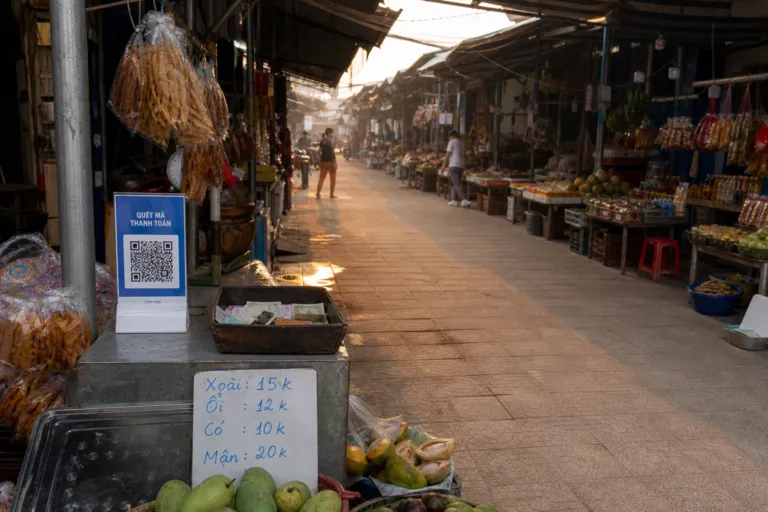
Scan-and-go is becoming a practical way to connect tourists and merchants through Vietnam cross-border QR payments, especially as VietQR Global expands from infrastructure into everyday use. Cross-border QR code payments matter because visitors want to pay at hotels, restaurants, shops, tourist attractions, and transport services without learning a new app. For merchants, QR acceptance can be as simple as a printed or displayed code or an integration into sales software, rather than investing in dedicated card-POS terminals. That simpler setup can help small household businesses participate. Policymakers also frame cross-border QR as more than a technical link, because payments can influence how much visitors spend and how convenient a destination feels.
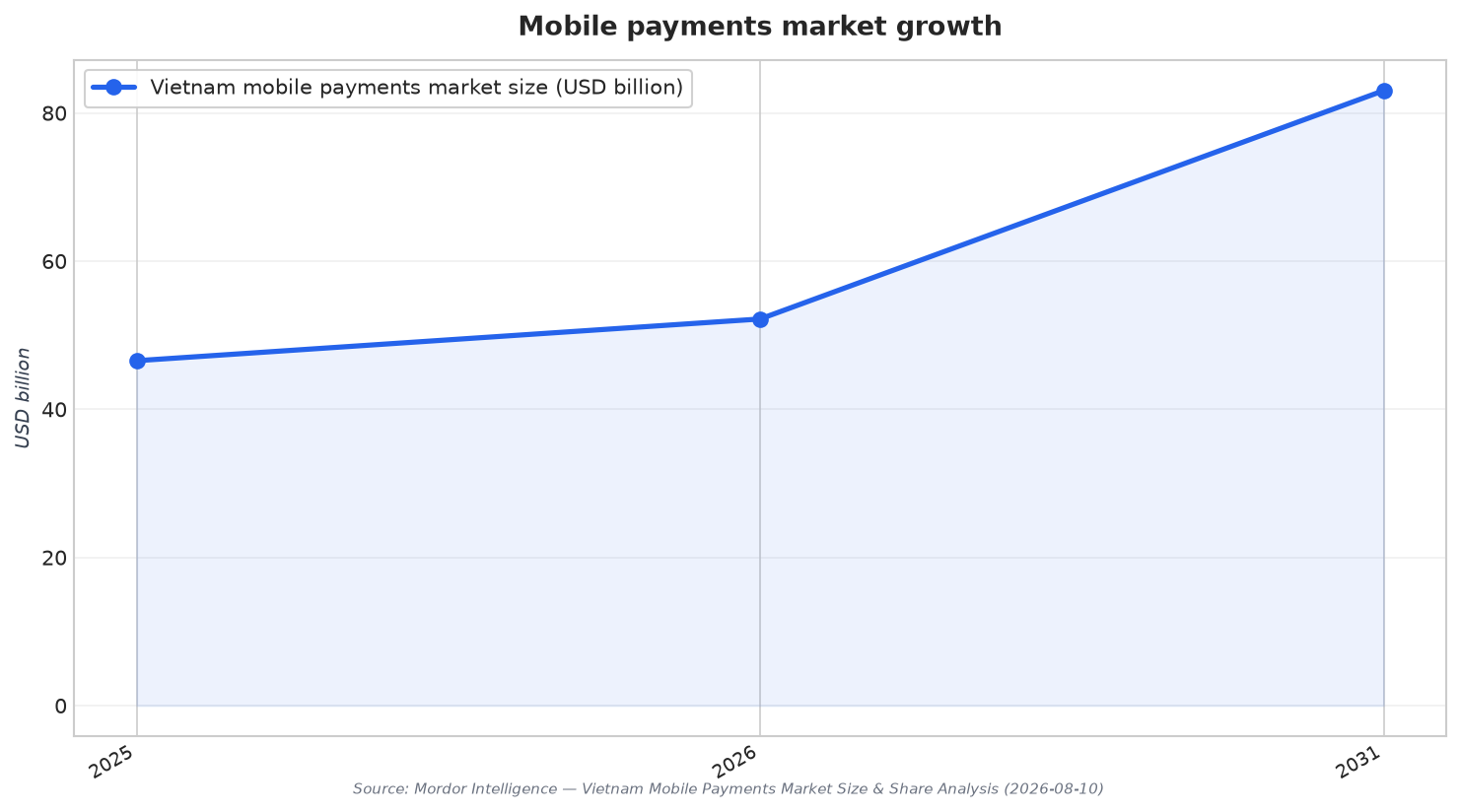
Vietnam’s broader payments backdrop is already QR-forward. In the Vietnam mobile payments market, QR codes held 54.67% market share in 2025, while point-of-sale transactions led with a 67.89% revenue share that same year. The report also notes Vietnam counted 127 million mobile connections in early 2025, exceeding the population due to dual-SIM usage, and smartphone penetration climbed to 84%. 4G coverage expanded to 99.8% of communes, which supports fast confirmations at checkout. These conditions make QR scanning practical across more locations, including smaller merchants, and align with policy goals that push non-cash behavior, including a target that 80% of e-commerce transactions be non-cash by 2030.
From Connectivity to Real Usage: Where VietQR Global Stands
Coverage is still early. VietQR Global currently covers more than 6% of domestic payment acceptance points, and another source describes only 6.2% of the potential market as covered after nearly five years of infrastructure building and implementation experience. Officials stress that the hard part is not only expanding coverage, but also driving real transaction volumes. Cross-border QR also carries complexity beyond a simple scan, spanning identification and authentication, switching, currency conversion, settlement, risk management, fraud prevention, anti-money laundering, reconciliation, complaints handling, and data protection. That end-to-end reliability shapes what users notice most: whether payments work, whether fees and exchange rates are transparent, and what protections exist if a problem occurs.
Recent activity suggests usage can scale when the experience is familiar. NAPAS has completed cross-border QR links with six regional countries, including two-way integration with Singapore and inbound connectivity for South Korean travelers. In one growth snapshot, by August 2026, transactions by Chinese tourists scanning VietQR Global codes in Vietnam quadrupled in value compared to April. Another report adds that in August 2026, payments by Chinese tourists using UPI and Alipay to scan VietQR Global codes in Vietnam tripled in volume and quadrupled in value compared to April 2026. More broadly, the number of transactions by tourists from Thailand, Laos, and Cambodia in Vietnam increased eightfold in the first eight months of the year, while transaction value increased sixfold versus the same period in 2025.
Merchant economics help explain why acceptance can spread. Acceptance fees for VietQR Global are projected at approximately 1.5% per transaction, compared with the 2.4% to 3% typical for international credit cards. That implies a 37.5% to 50% reduction in processing costs for merchants versus those card rates. But the next challenge is consistency in the field. One tourism-focused view argues that information about cross-border QR payments should reach visitors before and during the trip, and continue post-trip. Singapore’s experience is cited as a caution: early on, a single merchant location could display 10, 20, or even 30 different QR codes, confusing users about which codes they could use. In Vietnam, the stated focus is shifting from basic connectivity to effective usage, broader merchant coverage, user safety, and stronger systemic resilience.
How do Vietnam cross-border QR payments help tourists pay more easily?
How much of the acceptance market does VietQR Global cover today?
What recent growth signals show rising usage by tourists?
Why do merchants care about cross-border QR acceptance fees?
What needs to improve beyond adding more QR coverage?