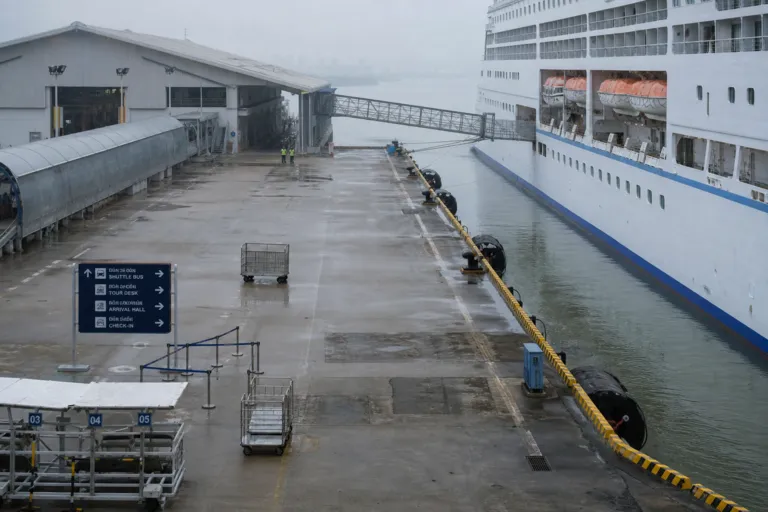
Cruise ships are coming back to Vietnam’s deep-water ports, and the early signal is strong. Sea arrivals still make up just 1.4% of total arrivals, but they rose 27.7% in a recent snapshot reported by Travel And Tour World, pointing to renewed confidence in maritime hospitality infrastructure. That contrast matters for strategy. A small base can grow quickly, yet a small share also means cruise activity must be designed to lift value per visitor, not just add headcount. This is where year-round ambition begins: converting a docking call into longer onshore spend, better distribution into cities and islands, and repeat demand across seasons.
The broader tourism backdrop is moving in Vietnam’s favor, creating room to build higher-end cruise programs. Vietnam National Authority of Tourism data cited by VietnamPlus shows nearly 16 million international visitors in the first eight months of 2026, up 14.4% year on year and equal to 63.6% of the full-year target. The same report highlights strong gains from long-haul markets, including Russia (up 165.7%), Europe (53.4%), the Americas (20.7%), and Australia (23.3%). For cruise operators, that mix is relevant because cruise passengers often overlap with higher-spend, multi-stop travelers who can be routed into cultural, culinary, and wellness experiences beyond a single port call.
From Port Call to Product: What Year-Round Cruise Demand Needs
Several local examples show how Vietnam cruise tourism could be shaped into a more consistent engine. A Vietnam.vn report says Quang Ninh’s 2026 plan expects nearly 90 international cruise ships, carrying about 150,000 passengers from markets that include the US, Germany, the UK, Canada, China, and other European countries. Khanh Hoa is also expected to welcome eight more cruise ships with around 13,500 passengers in the first two months of the year, supported by the simultaneous operation of Cam Ranh International Port and Ana Marina Yacht Club. That “multi-polar approach” matters for seasonality because it spreads load across sites, reduces pressure on any single dock, and gives cruise lines flexibility in itineraries when weather or scheduling changes.
To make cruise traffic durable, Vietnam’s industry voices are explicit: shift from volume to quality and focus on specialized, high-value segments. VietnamPlus notes priorities such as MICE visitors, cruise passengers, long-stay holidaymakers, families and small groups, and travelers drawn to culture, ecology, and wellness. The same logic appears in Travel And Tour World’s framing of higher-yield sectors like luxury golf tourism, wellness retreats, and international MICE events, paired with sustainability becoming a “non-negotiable” standard in 2026. For destinations such as Phu Quoc, VietnamPlus adds that MICE can help evolve the island from seasonal resort patterns into a year-round hub, raising spending per visitor and attracting corporate groups and international professionals.
Execution, however, depends on whether cruise growth connects to the larger travel economy and monetizes well onshore. Ken Research describes a market that reached 21.17 million international arrivals and 135.5 million domestic trips in 2025, with about 38,000 tourist accommodation establishments and 780,000 rooms by 2023, including 247 five-star properties. The same source projects market value rising from USD 40,061 Mn in 2025 to USD 70,200 Mn in 2031, with average visitor spend increasing from USD 255.7 per trip in 2025 to USD 349.3 in 2031. If Vietnam cruise tourism is to be a year-round growth engine, ports, cities, and tour providers will need to convert short visits into higher-spend shore programs, link cruises with MICE and wellness calendars, and maintain service quality while managing congestion and destination pressures flagged as execution risks.
What is the latest signal that cruise travel is returning to Vietnam?
How many international visitors did Vietnam receive in the first eight months of 2026?
What cruise volumes are expected in Quang Ninh and Khanh Hoa in 2026 planning?
Which high-value segments are highlighted as priorities alongside cruise passengers?
Can Vietnam cruise tourism support a year-round growth strategy?