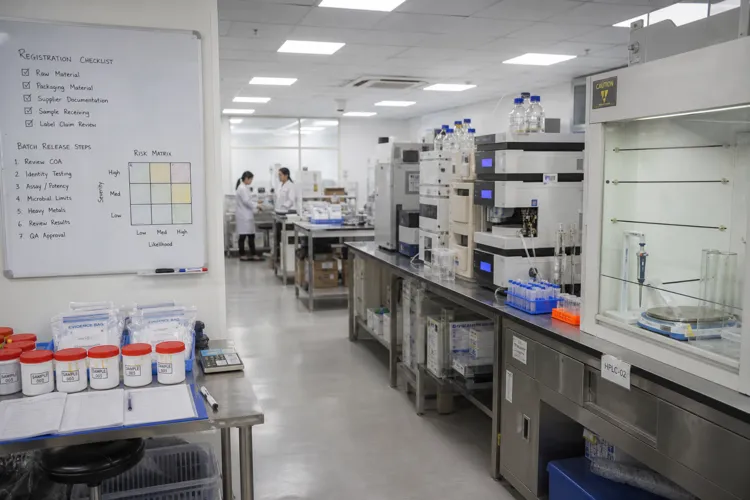
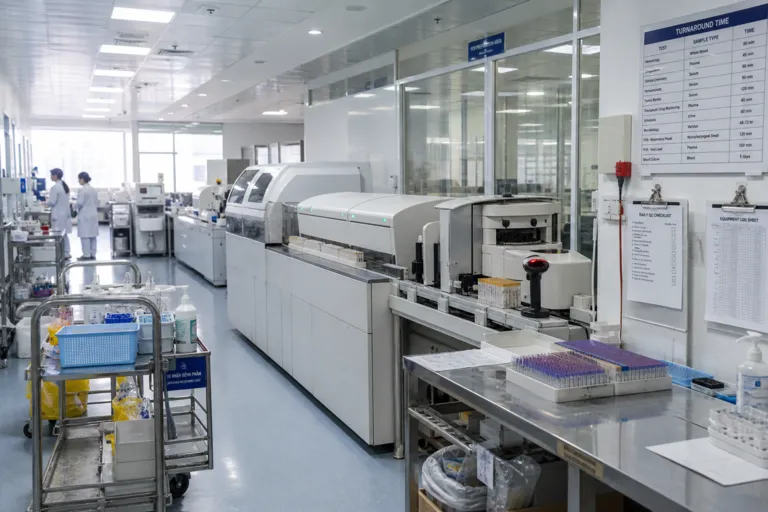
Lab modernization is becoming a defining theme in the Vietnam in vitro diagnostics market, as hospital and independent laboratories push for higher throughput, more consistent results, and faster reporting. This upgrade pattern is visible in the adjacent laboratory services space. Vietnam’s medical and diagnostic laboratory service market was valued at USD 1,000 million in 2024 and is anticipated to reach USD 1,632.75 million by 2032, reflecting a CAGR of 6.32% over the forecast period. The same source links growth to a rise in chronic diseases such as diabetes, cardiovascular disorders, and cancer, alongside higher awareness of preventive healthcare and expanding insurance coverage. It also points to laboratory automation and integrated laboratory information systems (LIS) as enablers of faster reporting and better patient management.
Modernization is not evenly distributed, and that shapes where advanced IVD adoption happens first. Credence Research notes Northern Vietnam, led by Hanoi, holds a significant share due to advanced tertiary hospitals and major public healthcare investments. Southern Vietnam, particularly Ho Chi Minh City, is described as the fastest-growing region, supported by strong private-sector participation and higher patient volumes. Central Vietnam shows steady expansion driven by diagnostic infrastructure upgrades and growing adoption of modern testing services. At the same time, the market faces operational friction: skill shortages, uneven service quality, and limited rural infrastructure are cited as challenges that can raise costs and constrain uniform access to modern diagnostics nationwide.
Molecular Testing Pulls IVD Upgrades Into the Core Lab
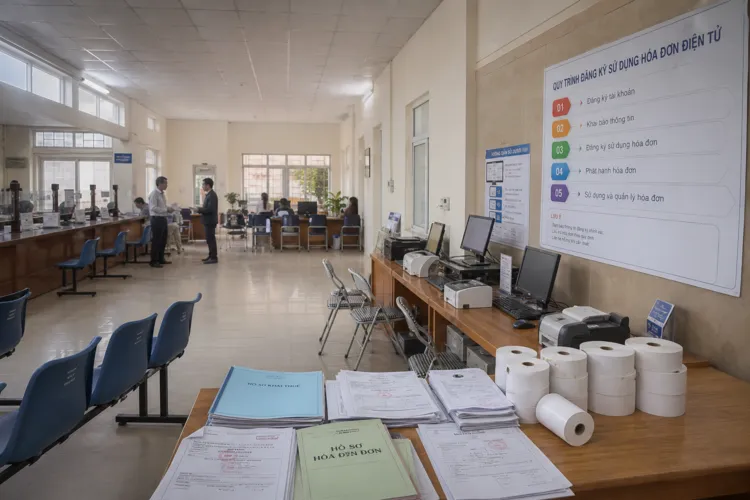
Molecular diagnostics is a key catalyst for new instruments, workflows, and quality systems. Ken Research highlights that under Decree No. 98/2021/ND-CP on the management of medical devices, in effect from 2022, all in vitro diagnostic and molecular diagnostic products must undergo classification, registration, and approval by the Ministry of Health before being marketed. The stated requirements include clinical performance data, quality standards, and post-marketing surveillance, with the aim of ensuring only high-quality and reliable tests are available. Separately, MarketsandMarkets describes Vietnam as showing strong momentum in molecular diagnostics, with adoption of PCR-based assays, next-generation sequencing, and point-of-care molecular diagnostics expanding across hospitals, reference laboratories, and research institutions. It also notes mobile testing units and point-of-care molecular platforms as tools to improve accessibility in both urban and rural regions.
Consumables and sample-prep capacity can become a bottleneck when testing volume rises, and Vietnam’s reliance on imports is a practical constraint. IndexBox estimates that Vietnam’s DNA purification kits market is heavily import-dependent, with about 85–95% of kits sourced internationally, reflecting limited domestic manufacturing capability in molecular biology consumables. It estimates spin-column and membrane-based kits hold 55–65% share, while magnetic bead-based formats account for 20–30%, with growth tied to automation adoption and higher-throughput environments. IndexBox also flags operational risk: import lead times of 4–8 weeks and IVD registration approval timelines that can extend 6–12 months. Those timelines matter for labs trying to standardize workflows, and for suppliers planning inventory, validation, and service coverage.
Technology deployment announcements also reflect the modernization direction. In the Asia-Pacific context, Market Data Forecast reports that in February 2024, Sysmex partnered with a leading Vietnamese hospital to deploy an automated hematology analyzer system, aiming to improve blood disorder diagnostics and strengthen laboratory efficiency in Vietnam’s public healthcare sector. This kind of installation aligns with the broader push described by service-market research toward automation, digital reporting, and LIS integration. The combined picture is a market where demand for routine screening and advanced molecular testing is rising, while regulatory scrutiny and supply-chain realities push stakeholders to professionalize procurement, validation, and quality management across the lab network.
What is driving modernization in Vietnam’s in vitro diagnostics market?
How large is Vietnam’s medical and diagnostic laboratory service market today and where is it headed?
What does Decree No. 98/2021/ND-CP mean for IVD and molecular test suppliers in Vietnam?
How dependent is Vietnam on imports for DNA purification kits used in molecular testing workflows?
What are practical bottlenecks labs can face when expanding molecular testing in Vietnam?