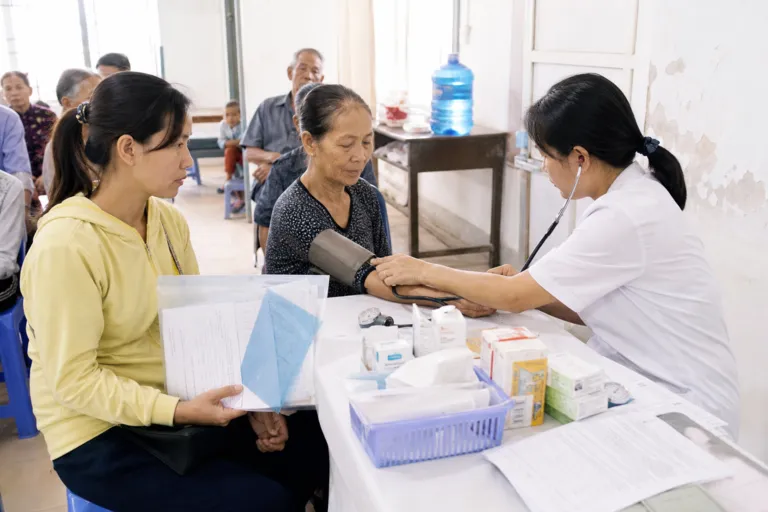
Vietnam’s demographic transition is no longer a distant forecast. It is a near-term market reality. One projection states that by 2030 Vietnam will have about 18 million elderly people, nearly 4 million more than in 2024. Another projection says the share of people aged 60 and over in Vietnam is expected to exceed 20% by 2038, marking the country as an “aging society.” For business, this means a wider, more diverse customer base with needs that stretch beyond medicine into housing, mobility, learning, leisure, and daily-living support.
The silver economy is typically defined as all economic activities that serve older adults, while also leveraging their participation in socio-economic development. Sources describe two main pillars. The first is older adults’ direct contribution through experience, knowledge, and financial resources. The second is the growth of service industries designed for older customers, spanning healthcare and medical services, mental well-being, and supportive products and technologies. Demand also differs by age group: people aged 60–70 often seek community connection, sports, tourism, and arts and culture, while older groups need more specialized care such as disease management, mobility assistance, assistive devices, and audiovisual support.
Where the Money Moves: Priority Sectors and Models
Several core sectors are repeatedly highlighted as the silver economy expands: healthcare, leisure and entertainment, senior real estate, finance and banking, labor and employment, education and training, technology, transportation, and nutrition. Within that mix, geriatric healthcare services, long-term care, smart devices, and specialized nutritional products are described as fast-growing industries. For context, the European Union has estimated the silver economy represents about 25% of total consumer spending in the bloc, equivalent to more than €3.7 trillion annually. Globally, one estimate values the silver economy at over USD 15 trillion, with expectations to reach USD 27 trillion by 2050.
Vietnam’s policy framing emphasizes coordination rather than isolated products. A “State-led, market-driven” approach is recommended, in which the State sets mechanisms and creates a favorable environment, while enterprises invest and build offerings that follow demand. At a conference referenced in the sources, the Prime Minister identified five action priorities: raising awareness of the silver economy; building a comprehensive healthcare ecosystem for older people with models such as Happy Villages and Senior Citizens’ Clubs; encouraging businesses to create diverse products and services; promoting older adults’ role in socio-economic life; and strengthening the role of the Vietnam Association of the Elderly.
For the “vietnam silver economy aging population” topic, opportunity is not limited to domestic demand. One source argues it is connected to a global wave of high-spending older people, especially in developed countries. It notes that retirees in Europe, the US, Japan, Australia, and even China may seek destinations with affordable costs when they want lifestyle benefits and even 24/7 healthcare support. Vietnam is mentioned alongside Thailand and the Philippines as a potential choice. However, the same source stresses that returns may be concentrated in the high-end segment serving the wealthiest 1%, 2%, or 5%, which should shape product design, pricing, and investment expectations.
How fast is Vietnam moving into an aging society?
What sectors are most closely tied to Vietnam’s silver economy opportunity?
What does “State-led, market-driven” mean for building the silver economy in Vietnam?
How big is the global silver economy, and why does it matter for Vietnam?
What does the Vietnam silver economy aging population trend mean for international retirees?