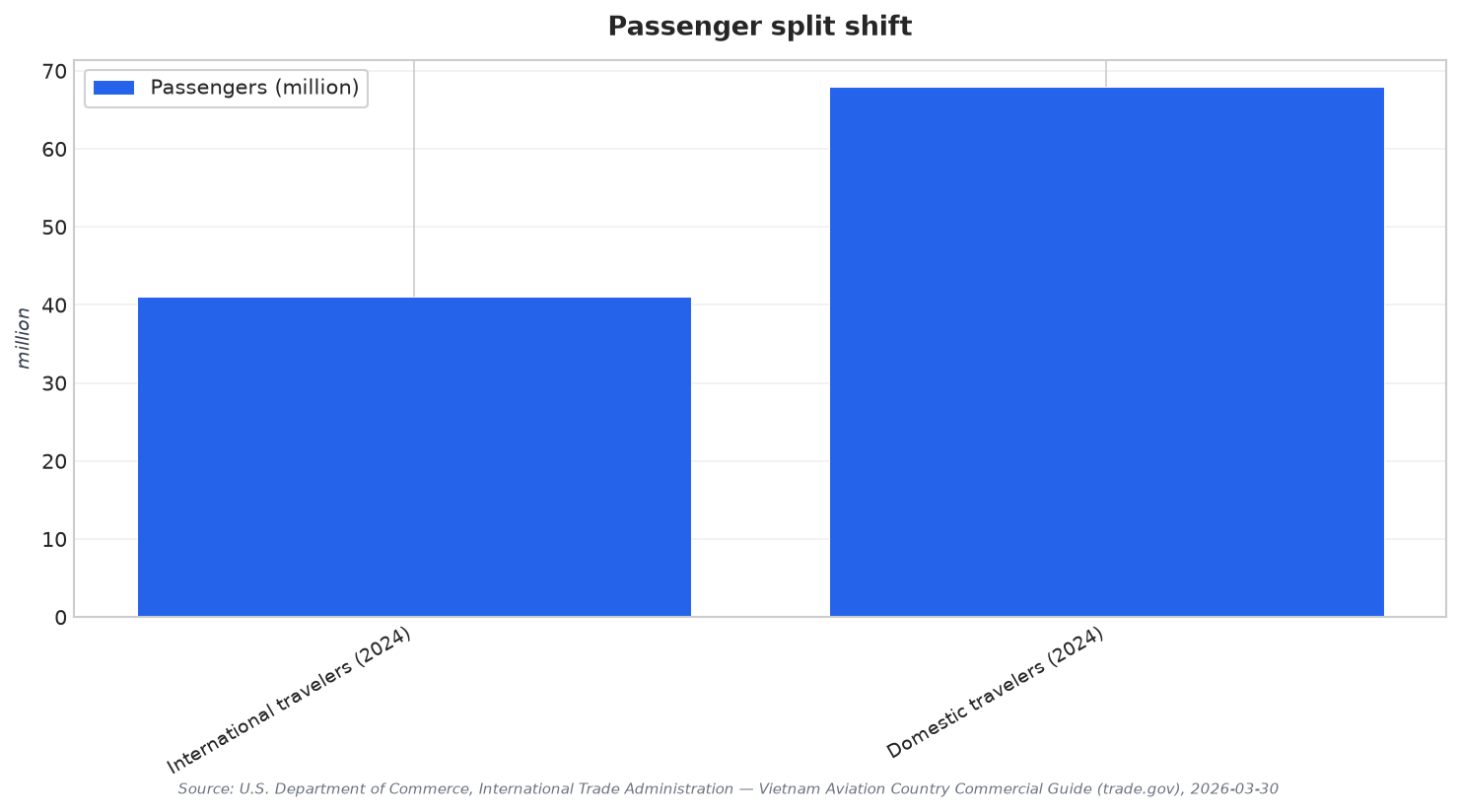
Vietnam’s air logistics story is getting louder. In 2024, Vietnam airports handled 109 million passengers, and air cargo volume grew to 1.5 million tons, up 19%. The same period also showed how quickly demand can change: international travelers rose 26% to 41 million, while domestic travel fell 15% to 68 million. This mix matters for capacity planning, because airports and airlines are being pushed to balance passenger recovery with freight growth. Under the Aviation Development Master Plan goals for 2030, Vietnam targets annual freight growth of 8.4–9.7% and aims to handle 4.1 million tons of cargo by 2030.
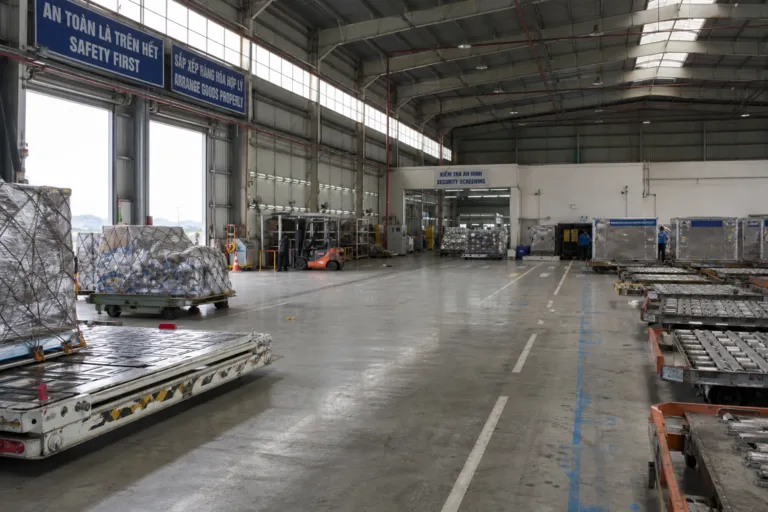
Against that backdrop, Vietnam’s national flag carrier has outlined a cargo-specific move that puts freighters at the center of strategy. Vietnam Airlines plans to launch a cargo airline in 2026 by converting A321 passenger aircraft into freighters and establishing major cargo hubs at Long Thanh International Airport and Gia Binh Airport. This is not happening in isolation. In 2024, Vietnamese airlines handled 445,000 tons of cargo, up nearly 36% compared to 2023, while operating a combined fleet that includes 220 aircraft and 29 helicopters. The combination of higher cargo throughput and dedicated hub planning signals a clearer path toward freighter networks built around Vietnam’s main logistics nodes.
What Is Powering the Air Freight Upside
Several demand engines show why a Vietnam cargo airline conversation is gaining momentum. In the broader freight and logistics market, domestic parcel volumes jumped 45% in 2024 as online marketplaces expanded. The same source notes that average delivery windows shrank from 48 to 24 hours as courier networks deployed automation and AI route engines. Manufacturing logistics demand also rose 28% in 2024, and northern high-value electronics flows are described as preferring airfreight. At Noi Bai Airport, component uplift climbed 35% year-over-year, prompting capacity additions and slot reprioritization. Trade procedures are also shifting: full rollout of the ASEAN single-window cut border paperwork by 30% and enabled 95% electronic submissions by 2024.
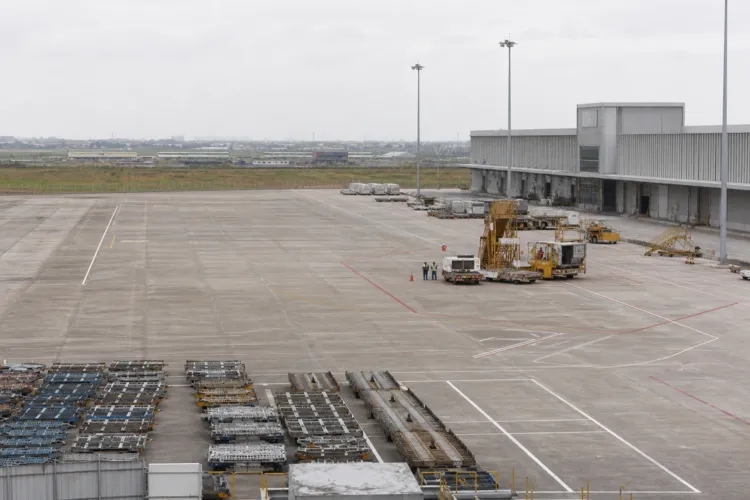
Infrastructure and investment themes reinforce the runway-to-warehouse link. One report highlights ongoing development of smart airports in Vietnam, with investments exceeding $3 billion, aimed at improving operational efficiency and cargo processes using technologies like IoT and big data analytics. Another outlook describes expansion at airports with dedicated cargo terminals, cargo cold storage and handling facilities, and automated cargo sorting systems, and says freighter networks are increasingly being built via secondary airports such as Da Nang and Van Don to reduce congestion at main gateways. Taken together, these upgrades create practical conditions for freighter operations, from predictable ground handling to better cold-chain execution.
For exporters, the opportunity sits inside a logistics system that is already massive and still evolving. One market report describes Vietnam’s freight and logistics network as handling more than 1.7 billion tons of cargo annually, with road freight moving over 80% of domestic cargo and sea freight handling over 70% of total export volume through more than 45 active ports. The same report notes over 50,000 registered logistics enterprises nationwide. Air cargo growth, dedicated freighters, and new hubs can act as a speed layer for time-sensitive electronics, garments, and perishables—especially as procedures digitize and airports add cargo-specific capacity. The emerging freighter push, including a 2026 cargo-airline plan, suggests Vietnam is aligning aircraft, hubs, and process upgrades around faster trade.
What is the planned launch timeline for Vietnam’s dedicated cargo airline initiative?
How fast did Vietnam’s air cargo grow in 2024?
What trends are increasing demand for a Vietnam cargo airline model?
What are Vietnam’s official freight targets under its aviation planning framework?