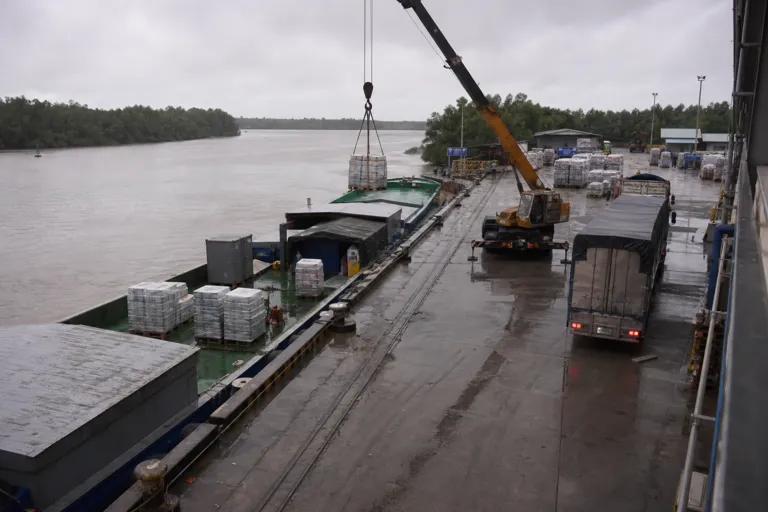
Rivers can function like highways when ports, drafts, and connections are planned as one system. That is the core promise of Vietnam Mekong inland waterway logistics. Vietnam has 2,360 rivers and channels spanning over 42,000 km, with about 17,000 km (41%) navigable. The country also has nearly 6,500 inland waterway ports and about 1,800 companies operating in the inland waterway transport sector, supported by more than 270,000 vessels. This network helps move about 20% of Vietnam’s total goods, while around 70% of inland waterway cargo is concentrated in the southern region where canals and rivers link industrial centers with gateways such as Cai Mep - Thi Vai, Ho Chi Minh City, and Dong Nai.
In the Mekong Delta, the opportunity is large, but the bottlenecks are specific and expensive. Scientific Reports describes a “logistics paradox” in which the Mekong Delta contributes over 50% of Vietnam’s rice and fruit exports, yet 70% of its exports must be transshipped through Ho Chi Minh City ports. That dependency adds logistics costs of approximately USD 10–USD 15 per ton, tied to fragmented infrastructure and high reliance on transshipment hubs. For shippers, that means inland waterways are not just a transport mode. They are a cost lever, but only if inland ports, barge routes, and downstream port access are synchronized.
From Water Depth to Digital Data: What Unlocks Performance
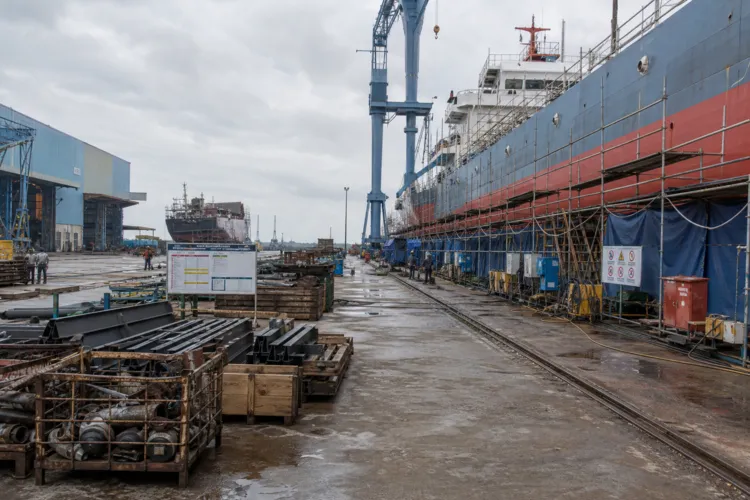
Several upgrades described in regional market reporting target the practical constraints that limit year-round river freight. Mordor Intelligence notes that Vietnam’s Southern Waterway Corridors program is dredging 12 priority routes to three-meter depth, enabling 1,000-ton barges to operate year-round and reducing seasonal idle capacity. A separate Mekong-focused connectivity push is also described: Vietnam’s USD 400 million Southern Waterway Connectivity Project will modernize 12 ports and build eight hubs by 2027, trimming Mekong-to-Ho Chi Minh City transit by 20%. This kind of depth-plus-hubs approach supports intermodal transfers and tighter delivery commitments, which matters as competition shifts toward integrators bundling barge, road, and warehouse assets.
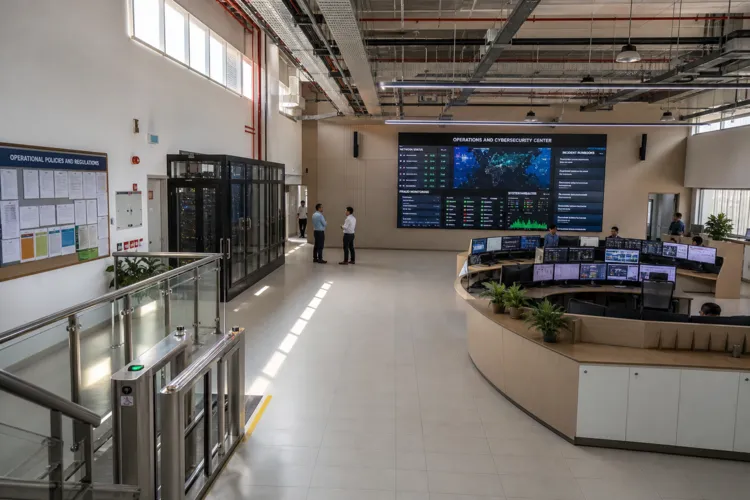
Vietnam also frames inland waterways as an underused asset that now needs management modernization. A Vietnam.vn commentary highlights 17,026 km of waterways as a crucial foundation, but says the advantages have not yet been exploited to their full potential, citing a lack of synchronized infrastructure and limited connectivity between waterways, roads, railways, seaports, and logistics centers. It also argues the future cannot rely solely on operator experience and must shift toward a data-driven management model, with interconnected digital infrastructure, platforms, specialized databases, and shared data systems linking vessels, routes, ports, businesses, logistics centers, and management agencies. That is a direct response to operational friction that slows dispatch, increases waiting, and makes planning harder for shippers.
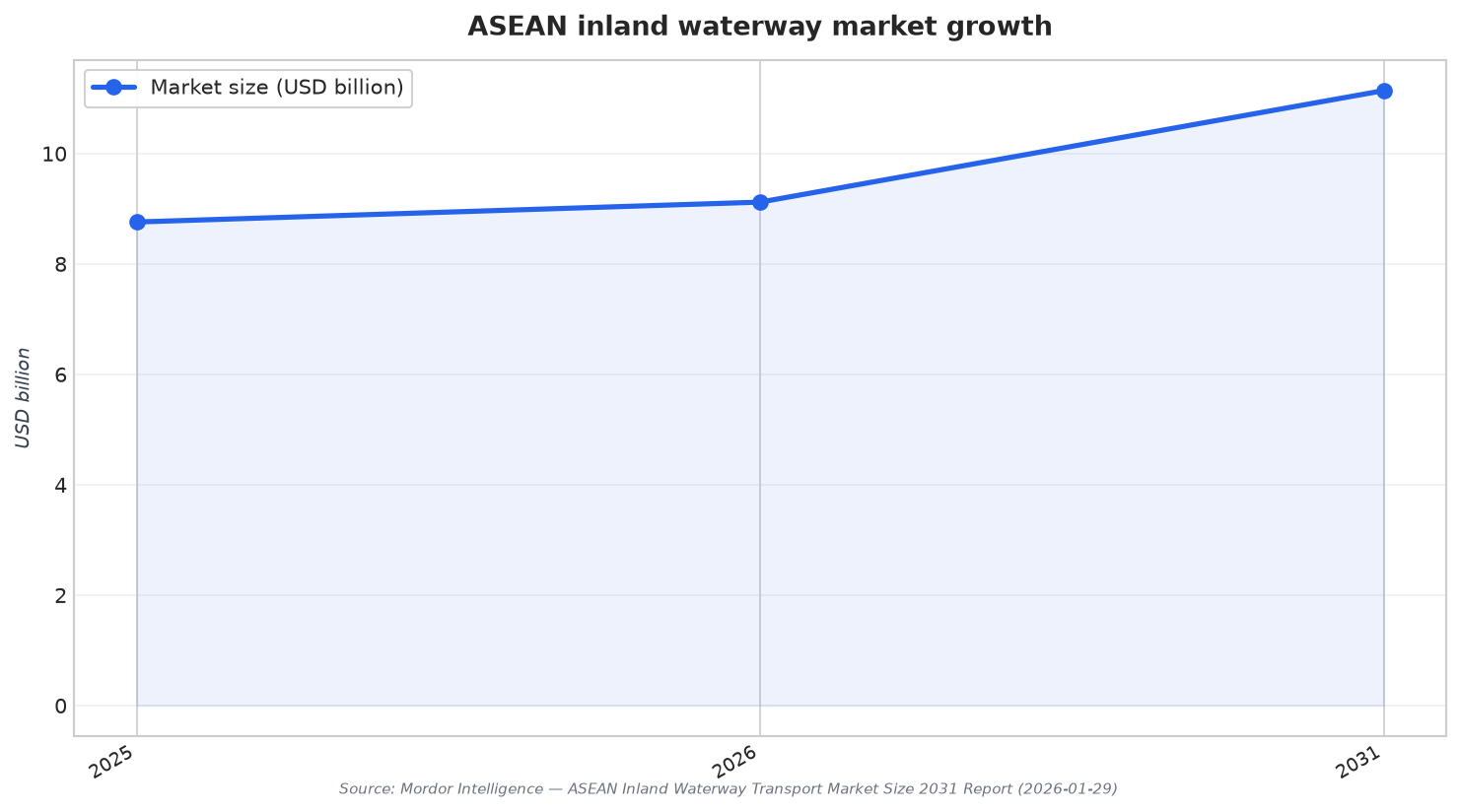
At the market level, Vietnam’s inland waterways sit inside a growing ASEAN freight landscape, and that context matters for investment momentum. Mordor Intelligence estimates the ASEAN inland waterway freight transport market at USD 7.90 billion in 2025 and expects it to reach USD 10.11 billion by 2030, at a 5.06% CAGR. In that same report, Vietnam accounted for 21.81% of ASEAN inland water freight transport market size in 2024, and dry bulk held 51.23% share in 2024. Another Mordor Intelligence report estimates the broader ASEAN inland water transport market at USD 9.12 billion in 2026, projecting USD 11.14 billion by 2031 at a 4.09% CAGR, with Vietnam at 22.51% of 2025 revenue and cargo movements at 60.65% share in 2025. The implication for the Mekong is clear: coordinated drafts, hubs, and data systems can turn river corridors into competitive trade lanes instead of local-only routes.
What makes Mekong Delta inland waterway logistics costly today?
Which upgrades are designed to improve year-round barge operations in Vietnam?
How is Vietnam planning to cut Mekong-to-Ho Chi Minh City transit time?
How big is Vietnam’s inland waterway footprint in ports and operators?
What does the ASEAN market context suggest for Vietnam Mekong inland waterway logistics?