Cleaner aviation is becoming a compliance issue, not just a branding goal. A Vietnam.vn report notes that airlines worldwide will be required to implement mandatory carbon emission reduction measures from 2027 under the International Civil Aviation Organization (ICAO) roadmap. In response, Vietnam is accelerating a legal framework for Sustainable Aviation Fuel (SAF). The Ministry of Construction is seeking feedback on a draft Circular to replace Circular 04/2018, and the draft includes SAF regulations for the first time to create a legal basis for production, supply, and use in Vietnam. The same source also highlights how international standards such as JIG, ASTM, and EI have added requirements tied to automation and real-time fuel quality monitoring, and have incorporated SAF into aviation fuel quality management systems.
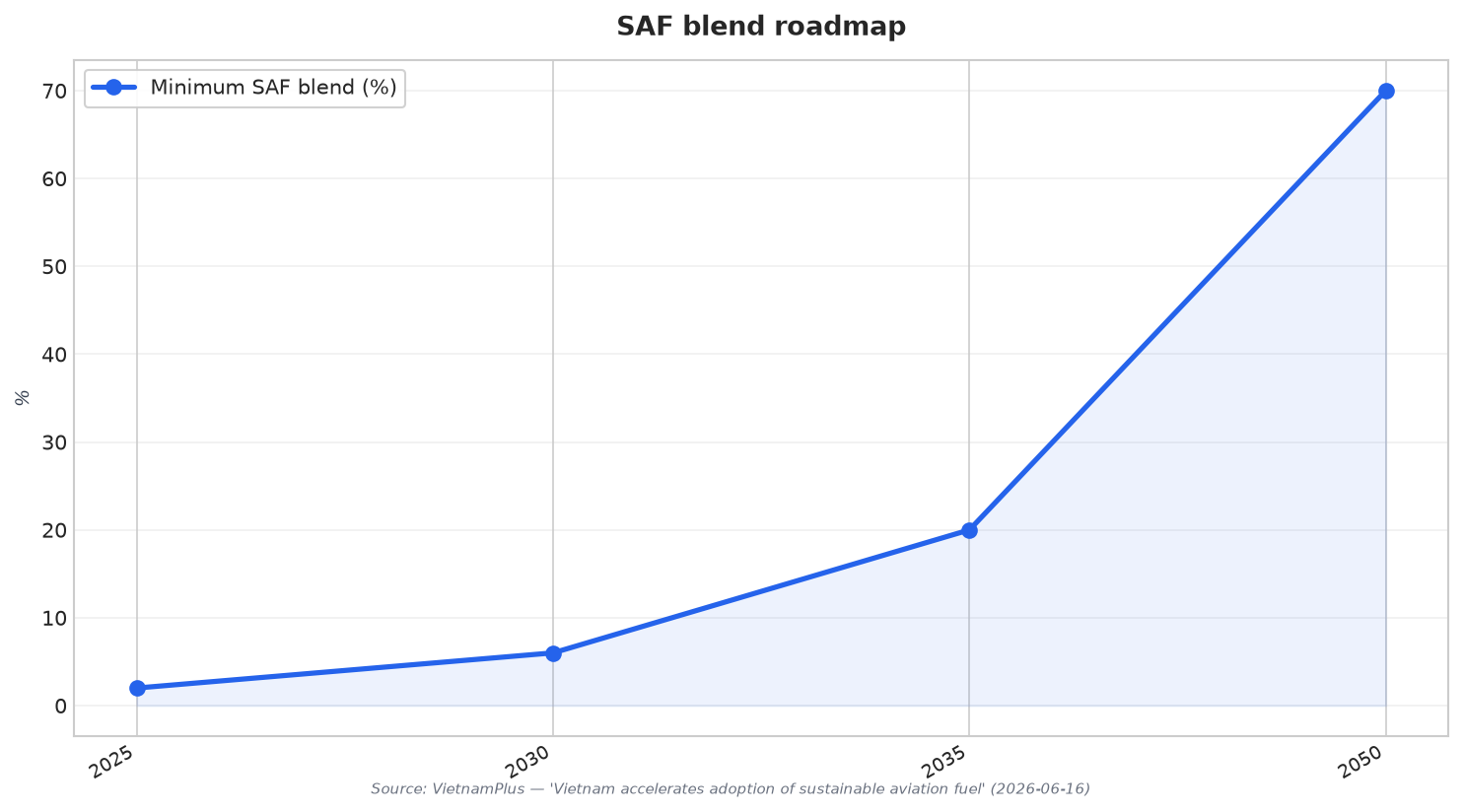
For Vietnam Airlines, the shift is already visible in route operations and cost planning. VietnamPlus reports that since 2025, all of its flights departing from European airports have operated with at least a 2% SAF blend. The ratio is scheduled to rise to 6% by 2030, 20% by 2035, and 70% by 2050. The same article says compliance with SAF mandates and carbon offsetting mechanisms, including ReFuelEU and CORSIA requirements, is expected to add at least 11.6 million USD to the airline’s costs in 2026. This is why the call for domestic supply chains, technical standards, and incentives matters to airline economics as much as it matters to emissions.
What Airports and Fuel Systems Must Change Next
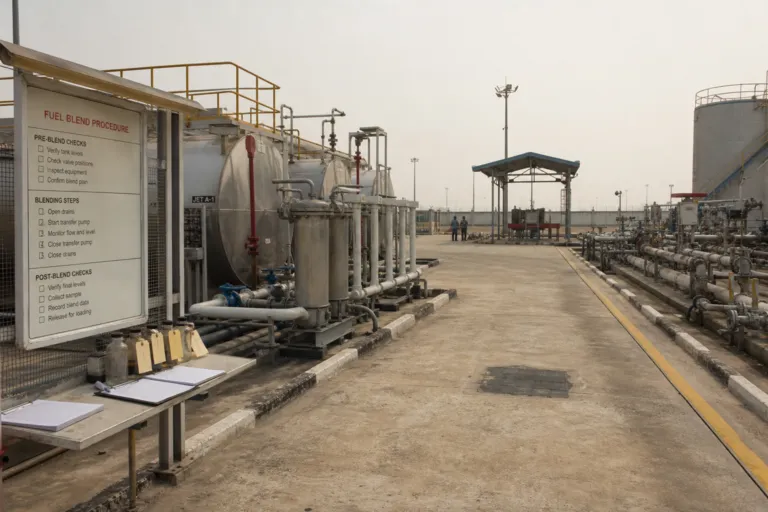
Airports sit in the middle of SAF adoption because fuel quality, storage, and refueling procedures must be consistent and auditable. Vietnam.vn explains that Circular 04/2018 helped standardize the full aviation fuel supply chain, from receiving and storing to transporting and refueling aircraft, but after more than six years many rules have not kept pace with new global standards. That gap matters because recent international standards explicitly incorporate SAF into quality management systems, while Vietnam’s current regulations still lack specific technical guidance for SAF. In parallel, the Civil Aviation Authority of Vietnam has directed airport operators to adopt SAF and other alternative energy solutions, according to Travel And Tour World.
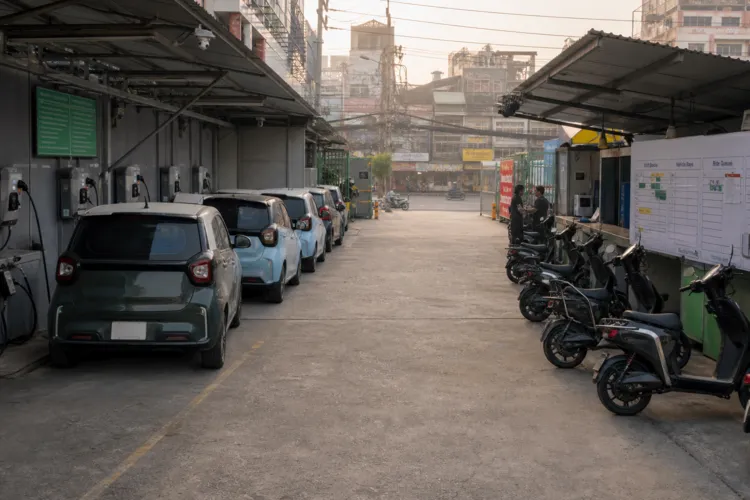
Airport decarbonisation is not only about fuel in aircraft tanks. BioEnergy Times reports that from 2035, at least 10% of fuel used on selected short-haul flights is targeted to be sustainable, and it also outlines a shift to electric or green-powered vehicles for new airport operations. The same plan targets all air-side vehicles transitioning to clean energy by 2040, and it points to a broader ambition of full use of SAF, supported by carbon offset measures, by 2050. These targets show why airports need coordination across fuel handling, equipment procurement, and operational planning, rather than treating SAF as a narrow procurement decision.
Costs and supply constraints remain the hardest hurdles, even as the policy direction becomes clearer. VietnamNews.vn states that SAF accounted for less than 1% of global aviation fuel consumption by 2025, reflecting limited availability and high cost. Vietnam.vn likewise says SAF currently accounts for less than 1% of total aviation fuel used worldwide, even as the global SAF market is projected to increase from about USD 2.7 billion in 2025 to USD 40 billion in 2034. Against that backdrop, Vietnam’s opportunity is often framed around feedstocks and production potential: VietnamNews.vn cites Boeing’s regional sustainability lead for Southeast Asia saying Vietnam has the potential to produce about one million barrels of SAF a day between 2030 and 2050. For Vietnam sustainable aviation fuel to scale, the sources consistently point to policy, standards, and long-term demand signals that unlock investment and supply.
What happens from 2027 for airline emissions rules?
What SAF blend levels are planned for Vietnam Airlines flights departing Europe?
How much extra cost is expected from SAF mandates and carbon mechanisms in 2026?
What does the Vietnam sustainable aviation fuel roadmap mean for airports?
How big is SAF usage globally today, based on the sources?