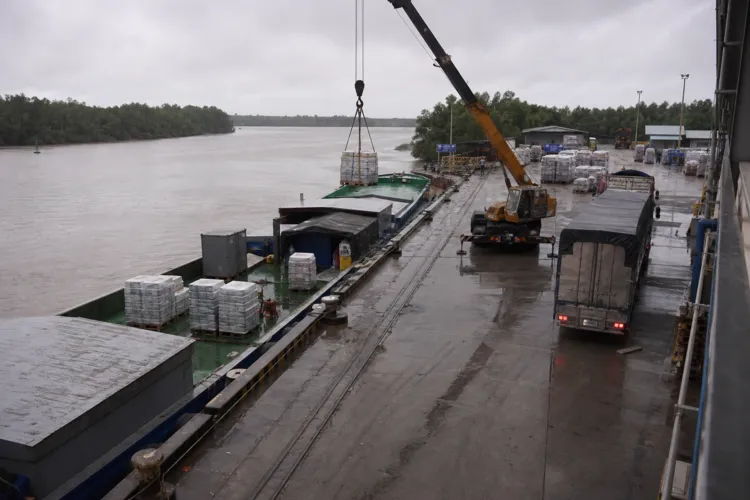
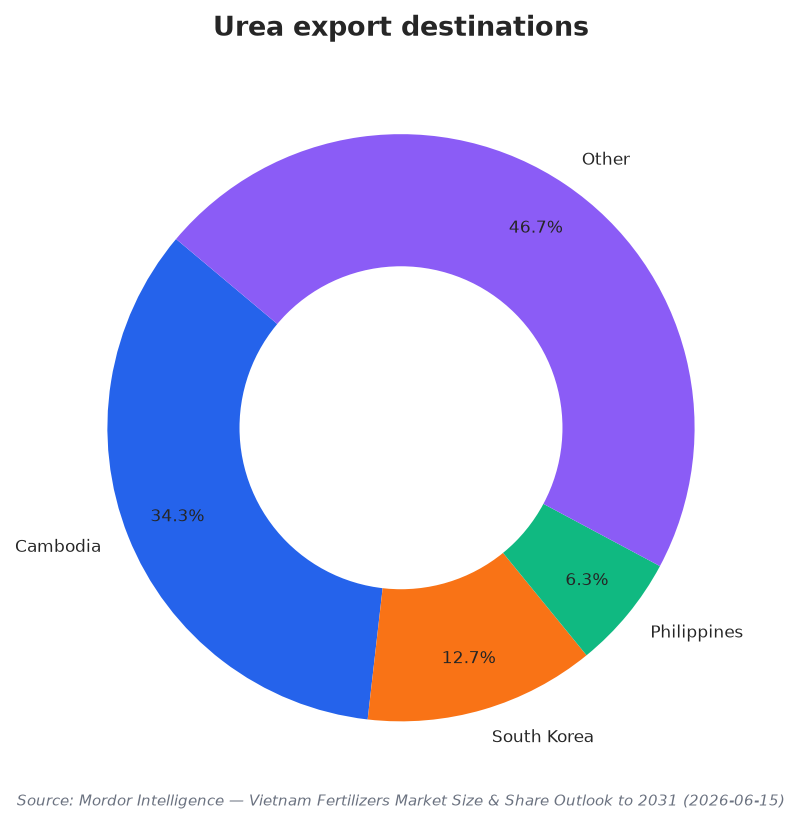
Vietnam’s fertilizer landscape is balancing two realities at once: strong domestic production capacity in some nutrients and a policy-driven push to use inputs more efficiently. In the Vietnam fertilizer market, urea remains a clear example of surplus supply, with Vietnam producing about 1.2 million metric tons of urea surplus annually. That surplus supported 2024 exports of 1.73 million metric tons valued at USD 709.91 million, an 11.7% volume increase versus 2023. Cambodia took 34.3% of shipments, followed by South Korea at 12.7% and the Philippines at 6.3%. Export momentum also reflects cost advantages from integrated gas-based complexes in Phu My and Ca Mau that secure competitive feedstock pricing.
Policy is also changing the cost structure for domestic producers. A shift from VAT exemption to a 5% VAT regime effective July 1, 2025 enables fertilizer producers to reclaim input VAT on natural gas and equipment, which lowers net production costs compared with imported fertilizers subject to full taxation. Sources note the change can raise working-capital needs, but it strengthens margins for local manufacturers, especially when import prices for products such as DAP and potash rise. Alongside pricing and trade dynamics, the market is also being shaped by practical constraints, including high logistics costs for transporting liquid fertilizers and controlled-release fertilizers to remote provinces, which can lift delivered prices and slow adoption.
Efficiency First: Digital Tools and Low-Emission Targets
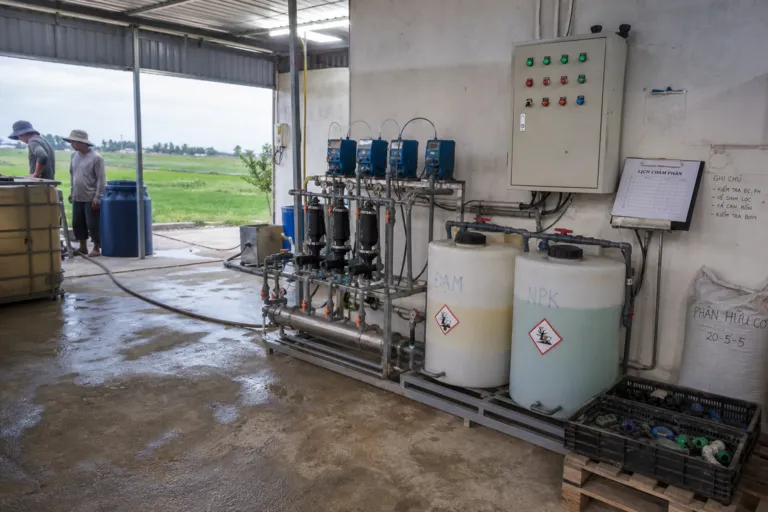
On-farm efficiency is becoming a defining theme as digital tools move from pilots to broader deployment. Government targets for 1 million hectares of low-emission rice by 2030 are accelerating fertigation approaches in the Mekong and Red River Deltas. Enfarm Agritech reported installing 500 IoT soil-nutrient sensors that cut fertilizer use by 30% and increased coffee yields by 30%, generating revenue of VND 1.5 billion (USD 62,500) as of 2025. VNPT’s digital agriculture platform is described as scaling recommendations nationwide by linking sensor data to tailored dosage alerts. For growers, the value proposition is straightforward: less waste, better timing, and improved profitability while aligning with tightening environmental expectations.
At the same time, liquids are gaining share in applications where precision is easiest to implement. The Vietnam liquid fertilizers market was valued at USD 98.69 million in 2025 and is forecast to grow at a 4.10% CAGR from 2026 to 2035, reaching USD 147.50 million by 2035. Reporting highlights complex NPK liquids leading demand, with farmers adopting blends such as 16:16:8 as they shift toward balanced nutrient solutions. The same sources link growth to high-efficiency agriculture and the expansion of greenhouse and hydroponic farming, supported by government policies promoting efficient and sustainable inputs and by local production capabilities for advanced formulations.
Organic inputs are moving from niche to mainstream, and official targets are reinforcing that trajectory. Vietnam’s National Strategy for Sustainable Agricultural Development to 2030, with a vision to 2050, aims to convert 50% of agricultural land to organic practices by 2050, a direction expected to increase demand for microbial, composted, and bio-fertilizers. Market tracking values Vietnam’s organic fertilizer segment at USD 600.53 million in 2025, projected to reach USD 873.21 million by 2030 at a 7.77% CAGR. Organic residues accounted for 64.2% share in 2024, supported by feedstocks such as livestock manure, rice husks, and coffee pulp, and BIWASE’s 420-metric-tons-per-day municipal-waste composting facility is cited as supplying peri-urban vegetable regions. Regulatory signals also matter: the Ministry of Agriculture and Rural Development sets national fertilizer quality benchmarks, provincial departments enforce certification and training, and Vietnam’s TCVN organic fertilizer standards shape product registration requirements.
What is driving export activity in Vietnam’s fertilizer sector?
How could the 5% VAT regime affect domestic fertilizer producers?
What results have been reported from precision fertigation and sensors?
How fast is the organic fertilizer segment growing in Vietnam?
What is changing in the Vietnam fertilizer market toward efficiency and cleaner inputs?